Health and Survival
Categories
Featured article

Latest articles





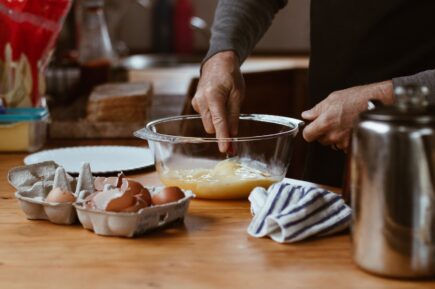

Welcome to HealthAndSurvival.com, your ultimate hub for all things essential to enhancing your life’s journey. Our mission is to empower individuals to live their most enriched lives by sharing essential tips and trends in Beauty, Fitness, Food & Nutrition, Health & Wellness, Lifestyle, and Survival.
Discover ways to amplify your natural allure in our Beauty section with our expert skincare, makeup, hair care, and more guides. Learn about the latest effective and kind products for your skin, the environment, and our animal friends. Beauty isn’t just skin-deep; it reflects caring for yourself and the world around you.
Explore our Fitness corner to jump-start or fine-tune your journey to physical health. Whether you’re a novice or a seasoned athlete, our curated workouts, training strategies, and tips can help you reach your goals and get the most out of your exercise regime. Fitness isn’t just about physical strength—it’s about resilience, endurance, and the discipline that shapes all aspects of life.
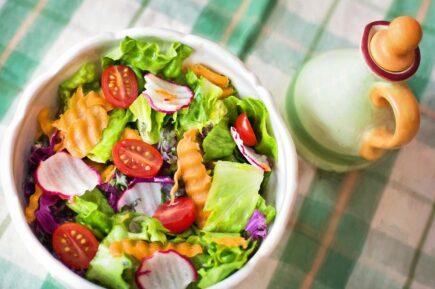
Our Food & Nutrition category feeds your curiosity about eating healthily. Packed with tasty, wholesome recipes and evidence-based nutritional advice, this section is a treasure trove for everyone—whether you’re a culinary novice, a busy parent, or a seasoned foodie. Our goal is to help you understand what fuels your body and soul.
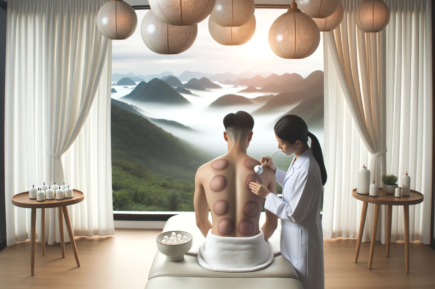
Our website’s Health & Wellness section is dedicated to giving you the resources you need to lead a more balanced life. From mental health to preventive care, from alternative therapies to the latest medical news, our content is designed to help you feel your best, mentally and physically. After all, well-being is not merely about the absence of disease but a harmonious, fulfilled life.
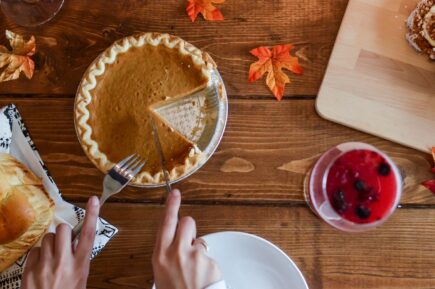
In our Lifestyle segment, find inspiration to enhance your daily routines and leisure. Whether sustainable living, organization, travel, or personal growth, our articles present thoughtfully curated advice and stories to help you live your best, most authentic life.
Finally, our Survival section is a comprehensive guide to dealing with life’s unexpected challenges, from natural disasters to personal emergencies. It’s not just about wilderness survival but navigating the complexities of our modern world. We provide practical, actionable advice on preparedness and resilience to help you face adversity with courage and wisdom.
At HealthAndSurvival.com, we believe in celebrating the journey of life in all its complexity. Our commitment is to provide you with diverse, comprehensive, and reliable information that systematically enhances your life’s journey. Embrace your journey, enhance your health, and elevate your life. Welcome to your source for living fully, boldly, and beautifully.